Wednesday, May 30, 2018

Flossing 101: The Key to Healthy Teeth

Flossing 101: The Key to Healthy Te

How to Floss, Why You Floss, and Benefits

The Flossing Technique

You’ve heard it hundreds of times. You’ve heard it from your dentist. You’ve heard it from your mom. Don’t forget to floss after you brush, they say. Whether you listen to them or not is up to you, but the best way to prevent problems with your teeth and gums is to floss.

This flossing technique is easy and time-friendly. This simple method of flossing will prevent cavities and give you an overall benefit of good health. Without flossing, you may develop gum disease and possibly other problems. Some research suggests that poor oral hygiene can lead to a variety of health issues, like diabetes, heart disease, stomach cancer, and even Alzheimer’s.

Here’s what you do:

  1. After brushing your teeth for two minutes, draw an 18-24-inch piece of floss. The floss can either be flavored, plain, or waxed.
  2. Wrap the floss around your index and middle fingers.
  3. Starting at the upper right part of your mouth, hold the floss in a “C” shape around each tooth.
  4. Move the floss back and forth and up and down to ensure you get all parts of your teeth.
  5. Move through your teeth to the left until the entire top of your mouth is flossed.
  6. Then, starting at the lower left part of your mouth, floss to the right until the entire bottom of your mouth is flossed.

This entire process should take one minute once you’ve gotten the hang of it.

Why You Floss

Flossing does about 40 percent of the work needed to remove sticky bacteria or plaque from your teeth. According to Alla Wheeler, RDH, MPA, associate professor of the Dental Hygiene Program at the New York University School of Dentistry, there are five surfaces to each tooth. If you don’t floss, you’re leaving two surfaces of each tooth unclean, which can lead to gum disease, as well as other diseases. Flossing is the only way to get in between teeth and get them clean.

Another reason you should floss is that it gives you a certain youthful appearance. Flossing your teeth will keep you looking young. This is because without flossing, you’ll get gum disease which attacks the bones in your gums and lower third of your mouth. Flossing keeps the height of those bones, giving you a youthful look.

Benefits of Flossing

Flossing has many health benefits, including for your mouth and your body. Here are some of those benefits:

  • Flossing removes or prevents plaque.
  • Flossing prevents gum disease.
  • Good oral hygiene keeps you physically healthy.
  • Brushing your teeth is more effective when you floss.
  • Flossing can save you money (by avoiding expensive dental procedures).
  • You’ll have a great smile.
How to Floss Your Baby’s Teeth

Starting a few days after birth, take a soft cloth and clean your baby’s gums. After your baby’s first teeth come in, get a small, soft-bristled baby’s toothbrush. Brush your baby’s teeth twice a day. Start flossing your baby’s teeth as soon as two teeth emerge. Use floss sticks or picks to make it easier for you to floss your baby’s teeth.

The Periodontists at the Center for Advanced Periodontal & Implant Therapy serves patients in the Los Angeles area.

*Authoritative sources:

Flossing 101: Keeping your teeth and gums healthy.

The post Flossing 101: The Key to Healthy Teeth appeared first on Implant Perio CENTER.

Saturday, May 19, 2018

Best Foods For Gum Disease

Periodontal disease, also known as gum disease is a fairly common occurrence in Americans, but can be reversed if treated in a proper and timely manner. Gum disease occurs as a result of bacteria build up beneath the gum. The buildup can ultimately lead to infection, worn gum tissue, bone loss, and in extreme cases, could cause your teeth to loosen and fall out.

Because gum disease can be heavily attributed to your lifestyle and habits, it’s crucial to implement healthy eating and proper oral hygiene into your daily routine. Through proper oral hygiene, including brushing twice a day, flossing, using mouthwash, and going in for regular checkups and cleanings with your periodontist, maintaining healthy gums should be easy!

However, if you begin to detect swollen, red or inflamed gums, you could be at risk for gum disease. One way to prevent, slow and even reverse the progression of gum disease is simply changing what you eat! 

Best Foods for Healthy Gums:

  • Onions – Onions contain microbial properties that neutralize the most common types of bacteria, which cause plaque, cavities and gum disease
  • Leafy greens – Leafy greens are packed with vitamins and minerals, specifically vitamin c which increases production of red blood cells and decreases inflammation. Incorporate leafy greens as staple in your diet if you are looking to prevent or treat gum disease.  
  • Green Tea – naturally rich in antioxidants, a cup of green tea a day can reduce inflammation in the mouth and body
  • Celery, carrots, and apples – crunchy fruits and vegetables act like a natural plaque fighter, scraping away foods stuck to your teeth. They also cause you to create more saliva, which is one way your body naturally cleans out bacteria from the mouth.
  • Milk, Yogurt, and Cheese – Foods that are high in calcium support bone health, which is necessary to strengthen the bones that are affected by gum disease
  • Nuts and Seeds– Macadamia nuts, pistachios, cashews, walnuts, sesame seeds, and chia seeds are just a few types of nuts and seeds rich in Omega-3 oils. Such foods contain anti-inflammatory properties, serve as a wonderful source of nutrients, and stops the growth of periodontal causing bacteria
  • Salmon – Another great source of omega-3 fatty acids, salmon and other fatty fish like herring contain high percentages of the anti-inflammatory acids, helping to reduce gum swelling. In a study completed by the the Journal of the American Dietetic Association, found that those who had the most DHA (a type of omega-3) in their diet reduced their risk of periodontitis by 20%.
  • Grass-fed Beef – Grass Fed Beef contains collagen, an essential factor in healing gum disease. Because gum disease causes collagen degradation as a result of irritated, worn and swollen gum tissue, eating foods high in collagen is necessary to combat gum disease.
  • Shiitake Mushrooms – Lentinan is an anti-bacterial property specifically found in Shiitake mushrooms. The compound is known for fighting plaque causing bacteria, which can lead to gum disease. It also helps in reducing inflammation, a healing property necessary in treating gum disease,  
  • Red and Green Bell peppers – Nature’s lesser known source for Vitamin C, bell peppers contain over 200% of the daily recommended Vitamin C. Vitamin C is rich in antioxidants, which can help repair the connective tissue affected by gum infections.  

The post Best Foods For Gum Disease appeared first on Implant Perio CENTER.

EFFECTS OF TOBACCO ON GUM & TOOTH HEALTH

Tobacco use, (cigarettes, cigars, or chewing tobacco) is one of the leading causes for more than 25 known diseases, making it a greater risk to your health than any single disease. Many people may not understand its impact on oral health, but tobacco use is amongst the most prominent risk factors in the development of gum disease. Surprised? Below we break down seven of the most common effects of tobacco on your oral health.

The Shocking Effects of Tobacco Use:

Oral cancer

Oral cancer is largely a result of one’s lifestyle, meaning consistent use of tobacco products, smoking and alcohol use can result in sickness. Studies show that 90% of tobacco users develop oral cancer. Although tobacco is the leading global cause of cancer, it is preventable. Because there is no safe level of tobacco use, those who use any form of tobacco products are urged to quit.

Periodontal disease

Gum disease, also known as periodontal disease, is an infection that occurs when bacteria builds up beneath the gum line. Smoking and tobacco use increases the amount of bacteria in the mouth, and can irritate and destroy gum tissue, leading to disease. When gum disease worsens, the bone and tissue that hold your teeth in place weaken, and can ultimately cause your teeth to loosen or fall out.

Tooth staining/discoloration

One of the first and most obvious results of smoking and tobacco use are stained teeth. Just like your skin, your teeth have pores which easily absorb nicotine and tar, creating a yellow stain on the surface of the tooth. When it comes to chewing tobacco, the dark colored tobacco combined with your saliva creates a brown liquid that engulfs your teeth, leaving serious stains. To reverse the damages of tooth discoloration, visit your periodontist for a deep cleaning, and to discuss the ways you can quit using tobacco.

Gingival recession

Gum recession is when your gum pulls away from your teeth, exposing the root and leaving you at a risk for tooth decay and periodontal disease. Smoking and tobacco use can cause the gum to wear away, increasing your chances of developing an infection. Gingival recession can be prevented through changes in lifestyle and implementing a proper oral hygiene routine, and can be treated by a periodontist. If you suffer from gum recession, contact us today to set up an appointment.

Weak Immune System

Smoking is one of the leading causes of a weak immune system. Because smoking and tobacco use impairs your body’s natural infection fighters, you become more susceptible to infection and disease. When you develop a bacterial infection in your mouth, it can lead to periodontal disease, it can spread through the pulp of your teeth leaving you in need of root canal therapy, and it can lead to bone loss. If you smoke or use tobacco products, schedule a checkup with your periodontist to learn whether you’ve developed tainted gums, and learn how you can quit.

Worn Enamel

Because products containing tobacco also include a number of other ingredients, including tar and small bits of sand-like grit that are finely mixed in, it is most likely you won’t notice what else is inside. However the effects are serious, as these particles harm your enamel. Although your enamel is tough, over time the consistent scraping and scratching of these tiny particles will wear down your enamel, causing increased tooth sensitivity, and changes in the complexion of your teeth. Say goodbye to a beautiful smile!

The post EFFECTS OF TOBACCO ON GUM & TOOTH HEALTH appeared first on Implant Perio CENTER.

Thursday, May 17, 2018

Wisdom Teeth Bothering You? Here’s When You Should Get them Out

Let’s face it. There’s comes a time when your wisdom teeth just might need to come out. After all, through evolution, wisdom teeth are no longer needed to tear meat and chew nuts, as was the case with our ancestors. And now, they can do more harm than good, especially if they get infected. So, how do you know when you should have them removed? Here are a few common indicators.

Best Time to Have Your Wisdom Teeth Removed

There are three ideal times to have your wisdom teeth removed:

  • When your wisdom teeth are impacted
  • When your wisdom teeth partially protrude through the gums
  • When they crowd nearby teeth

When your wisdom teeth are impacted, they are underneath the gums, and sometimes, can even grow in sideways. It’s important to have them removed if they are positioned in your mouth this way. If not, the other teeth can get pushed out of alignment. The same is true if they’re partially erupted, crowding your other teeth. Sometimes, wisdom teeth cause infection when they’re impacted, have partially come through the gums, or are crowding your other teeth. This can result in a lot of pain in your mouth. This is how you’ll know you need to seek medical advice from your dentist who will determine whether or not it’s necessary to remove your wisdom teeth.

Recommended Time to Have Wisdom Teeth Pulled

It’s generally recommended to have your wisdom teeth removed during childhood or young adulthood. The reason for this is that in young adulthood your teeth have fully grown in and removing your wisdom teeth is more beneficial than detrimental. Dentists say that removing wisdom teeth at any early age is better because the roots and bones haven’t fully developed. Additionally, your recovery time is much faster during your developmental years. If your wisdom teeth come out later than that, your recovery time will generally be much longer.

Times When Your Wisdom Teeth Should Remain

There are times, however, when wisdom teeth should stay in your mouth. These include when your wisdom teeth have fully erupted; when they’re healthy, positioned correctly (no crowding); and when they can be properly cleaned every day. If your wisdom teeth are straight and in good condition, there’s no reason to undergo surgery to have them removed. At this point, surgery would be more of a risk, and the benefits of abstaining from surgery outweigh the benefits of proceeding.

The Periodontists at the Center for Advanced Periodontal & Implant Therapy serves children and adults for wisdom teeth removal in the Los Angeles area.

The post Wisdom Teeth Bothering You? Here’s When You Should Get them Out appeared first on Implant Perio CENTER.

Friday, December 15, 2017

Why Your Gums Shouldn’t Have Pockets and What Your Periodontist Can Do About Them

RejuvaGum Lift Gum Recession Los Angeles

For healthy mouths, gums should fit snugly around each tooth, with the distance between the gum and the tooth attachment measuring only 1-3 millimeters. However, if you suffer from gum disease, deeper spaces (called periodontal pockets) can form around your teeth. If left untreated, these pockets can lead to several dental problems, including tooth loss. Early diagnosis and treatment of gum disease are essential in order to keep your teeth and gums healthy.

One of the best ways to avoid gum disease and the creation of periodontal pockets is with a good oral health regimen and regular check-ups with a gum disease specialist. Our team of periodontists at the CENTER for Advanced Periodontal & Implant Therapy in Los Angeles are experts in the latest treatments for eliminating gum disease that helps reduce your risk of developing oral health issues like periodontal pockets.

What is a Periodontal Pocket?

developing gum diseaseIf you’ve looked at your teeth and gums in the mirror, you may have noticed that the top of the gum tissue doesn’t actually attach directly to the tooth. There is a small space between your tooth and gums and this space is called a sulcus. Unfortunately, this area can become clogged with both bacteria and food particles. For the most part, these can be removed with brushing and flossing, but in general, most toothbrushes lack the ability to reach the necessary 2-3 millimeters below the gum line. If the sulcus happens to be deeper than this, the bacteria and food particles will remain and can build up below the gum line, leading to both inflammation and/or swelling.

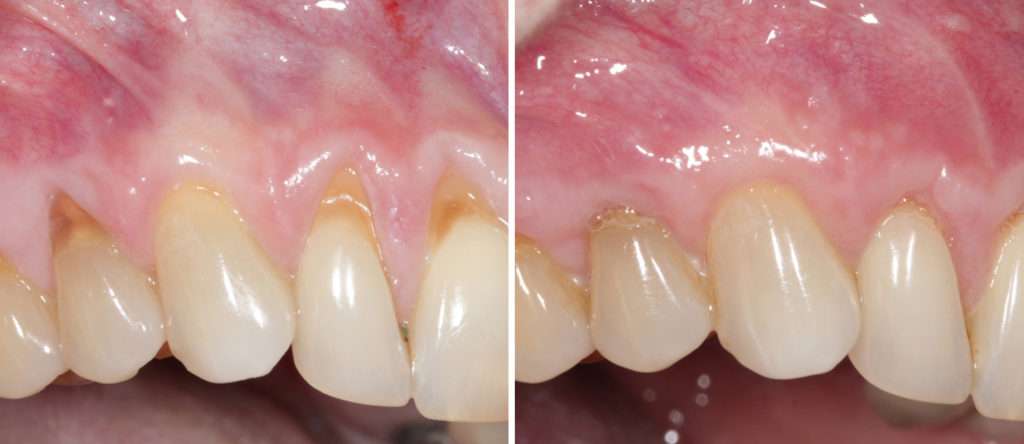
If left untreated, the gum tissue can begin to separate and even pull away from the teeth. This leaves a large space between the tooth and gum where destructive bacteria can grow.

This enlarged space is what periodontists refer to as a pocket, which can store bacteria. If the bacteria are allowed to accumulate, this can lead to loss of healthy bone and gum tissue beneath the gum line. Eventually, the bacteria present in the periodontal pocket will erode the structures that hold the teeth in place, potentially leading to tooth loss.

How are Gum Pockets Treated?

As part of your normal check-up, your periodontist will use a special tool called a periodontal probe that is used to measure the gap where the tooth meets the gum. The periodontist will take six measurements, in millimeters, around each tooth: three on the outer (lip) side and three on the inner (tongue) side. These measurements help identify any changes in your gum health over time and can pinpoint periodontal pockets.

Professional Cleanings

Each periodontal pocket can vary, and treatment will depend on factors like depth, shape, and whether inflammation is restricted to the gum tissue or if it has spread to the underlying bone. The first step in treating gum pockets is by removing the plaque bacteria and tartar. In cases of periodontal disease that has caused inflamed gums with no bone loss, professional cleanings with your periodontist and a comprehensive at-home oral health regimen will remove the causes of the inflammation causing the pocket.

A complete at-home oral health routine will include:

  • Brushing your teeth twice a day with a soft toothbrush and fluoride toothpaste
  • Flossing daily to remove plaque from between the teeth where your brush can’t reach
  • Using an oral rinse, if recommended by your dentist

Scaling and Root Planing

If a patient has a more severe level of periodontal disease, a procedure called scaling and root planing may be needed. With this comprehensive cleaning procedure, the periodontist is able to remove the plaque and tartar as well as smooth out the root surface, which allows the gum tissue to reattach to the tooth, effectively shrinking the periodontal pocket.

RejuvaGum Lift

An innovative treatment for periodontal pockets is the RejuvaGum Lift. This regenerative medicine treatment can help reverse gum disease and improve periodontal pockets non-invasively and effectively.

With the RejuvaGum Lift, Dr. Aalam or Dr. Krivitsky use a small amount of the patient’s blood that is put in a device called a centrifuge. The centrifuge separates white blood cells and platelets, which are used to create a platelet-rich fibrin. The periodontist will insert the fibrin into the gums near the pocket helping jumpstart the body’s own natural healing powers. This initiates regrowth of the gums, reducing the size of the pocket and aiding in protecting the tooth roots. Learn more about platelet-rich fibrin at Wikipedia.org.

Protect Your Gums with L.A.’s Gum Disease Experts

Restore your gum health today. If you suffer from gum disease, contact the CENTER for Advanced Periodontal & Implant Therapy. Our team of periodontists offers the most effective treatments to improve gum disease and issues like periodontal pockets, keeping your gums healthy for the life of your smile.

Next, read How Oral Health Translates to Total Health

The post Why Your Gums Shouldn’t Have Pockets and What Your Periodontist Can Do About Them appeared first on Implant Perio CENTER.

Monday, November 27, 2017

How Oral Health Translates to Total Health

Brentwood Gum Disease Treatment Specialists

How diligent are you with your oral health and hygiene routine? Do you ever have a long day at work and decide that you just don’t feel like brushing your teeth before falling into bed? Or maybe you’re hit or miss about flossing your teeth every time you brush. If this sounds like you, you’re putting your oral health, in addition to your overall health, at risk.

You may not know it, but the mouth is one of the dirtiest parts of the body. For example, the mouth harbors more than 800 kinds of oral bacteria and while not all bacteria are dangerous, some can lead to serious dental problems like periodontitis or gum disease. In addition, not only can gum disease negatively impact your bright smile, it can also lead to potentially dangerous health conditions that will impact your health and quality of life.

Since bacteria can lead to such diverse issues, it’s important to maintain proper oral hygiene routines and get regular check-ups with gum disease specialists, like periodontists. With our team of gum disease experts at the CENTER for Advanced Periodontal & Implant Therapy in Los Angeles, we can effectively treat periodontal diseases caused by oral bacteria, reducing your risk of other health issues.

How Does Oral Bacteria Impact Overall Health?

Brentwood Gingivitis Dental Issues

The bacteria in our mouth are technically germs and, if left untreated, some of them can have negative repercussions in the long term. For example, these germs can penetrate red, swollen gums caused by periodontal disease and travel to the bloodstream, where they can wreak havoc in other areas of the body. Currently, nearly half of all adults in the United States have periodontal disease, while even more have its distant cousin, gingivitis. Even gingivitis, if left untreated, can contribute to cardiovascular disease, especially if you have a genetic predisposition to the disease.

Oral bacteria can have a profound impact on several areas of health and has been linked to specific diseases including:

  • Cardiovascular disease
  • Diabetes
  • Respiratory disease
  • Chronic obstructive pulmonary disease
  • Rheumatoid arthritis
  • Gastrointestinal disorders
  • Alzheimer’s disease
  • Osteoporosis
  • Kidney disease
  • Preterm birth and low birth weight
  • Cancer

Because of the wide-ranging reach that oral bacteria and periodontal disease can have on the development of other health conditions, good oral health habits, preventative care, and treatment for gum disease are essential for reducing your risk of developing chronic diseases and maintaining your quality of life.

Healthy Gums = Healthy Life

Brentwood Gumline Surgical Procedure

In order to keep your gums healthy, it’s important to keep track of any changes to the gums. Some of the signs that indicate oral bacteria has progressed into gum disease, which can have varied symptoms and stages, include:

  • Bleeding when brushing, flossing or eating hard foods
  • Red and/or swollen gums
  • Tenderness or pain
  • Gaps or pulling away of the gums from the teeth
  • Bad taste or chronic bad breath
  • Permanent teeth may feel loose
  • Teeth may fit together differently when closing the mouth or eating
  • Fit or feel of dentures may begin to feel differently

The best way to fight periodontal disease and the corresponding health issues that have been linked to oral bacteria is to have a good oral hygiene regimen. The first step in having healthy gums and preventing periodontal disease is to remove any plaque build-up. This is accomplished by brushing and flossing your teeth at least twice a day.

The second step is to make sure you see your dentist at least once a year for your regular checkups and cleanings.

The third step is to not hesitate to make an appointment with your periodontist if you are experiencing dental problems. Early prevention and treatment can help prevent further, more complex health issues.

Periodontology Services for Healthy Gums

Brentwood Gum Tissue Loss Procedure

One of the most effective treatments for removing potentially dangerous oral bacteria is a two-part procedure called periodontal scaling and planing. Periodontal scaling and root planing can help remove all harmful bacteria that may lead to gum disease. This also prevents the further spread of oral bacteria to other parts of the body, where it can cause additional inflammation and harm.

If necessary, our periodontists may recommend microbial sampling, which can be used to identify the specific bacteria present. This helps categorize virus-related periodontal conditions and provides our periodontists with a list of the corresponding medications that can be used to treat them.

Contact L.A.’s Best Gum Experts

Protect your smile and your health! For more information on the effect of oral bacteria on your overall health, contact the CENTER for Advanced Periodontal & Implant Therapy today. Our Los Angeles periodontists are experts in a wide range of state-of-the-art periodontal treatments that can not only restore your smile but also improve your oral health, which can help prevent further health issues associated with oral bacteria.

Next, read How Crown Lengthening Can Give You a Brighter Smile

The post How Oral Health Translates to Total Health appeared first on Implant Perio CENTER.